One-Sentence Summary
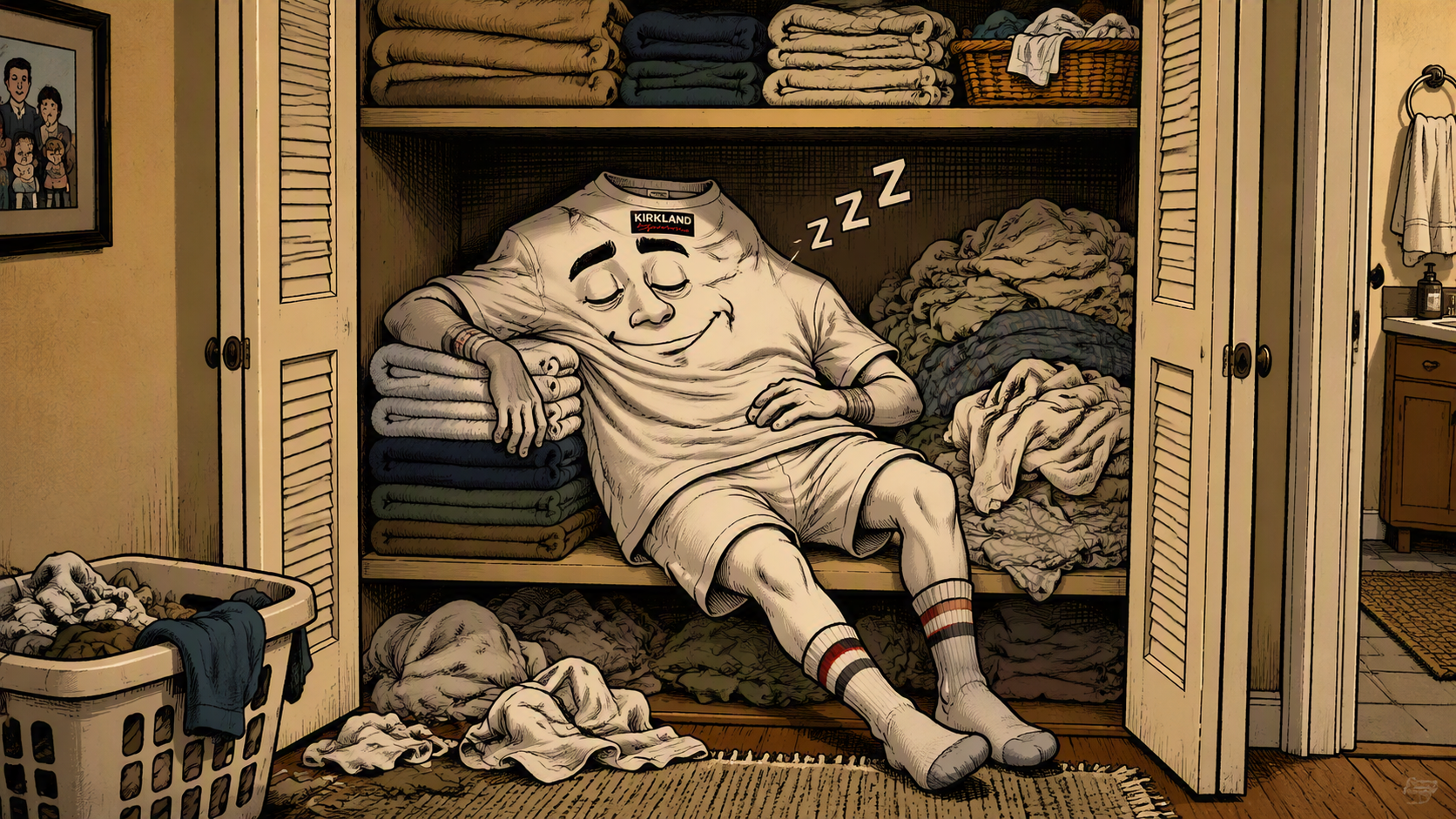
Most shirts leave the laundry room. The Kirkland eventually settles in, claims shelf space, and starts paying property taxes.
The Proposition
Let's address the obvious question first.
Yes, ThreadFits reviewed a Kirkland T-shirt.
Not Japanese loopwheel cotton. Not Portuguese jersey. Not a limited-edition collaboration with a designer who owns fourteen turtlenecks. A Kirkland Signature heavyweight tee. The same company that sells rotisserie chickens for less than some coffee drinks and somehow convinces people to buy batteries in quantities usually associated with military preparedness.
That is exactly why this shirt deserves attention.
The Kirkland tee exists in a category most apparel brands have forgotten: normal life. It isn't trying to elevate your wardrobe, reinvent basics, or help you express your personal journey through cotton. It's trying to survive being thrown in a laundry basket five times a week and worn until the owner forgets when it was purchased.
And surprisingly, it does that very well.
Fabric & Feel
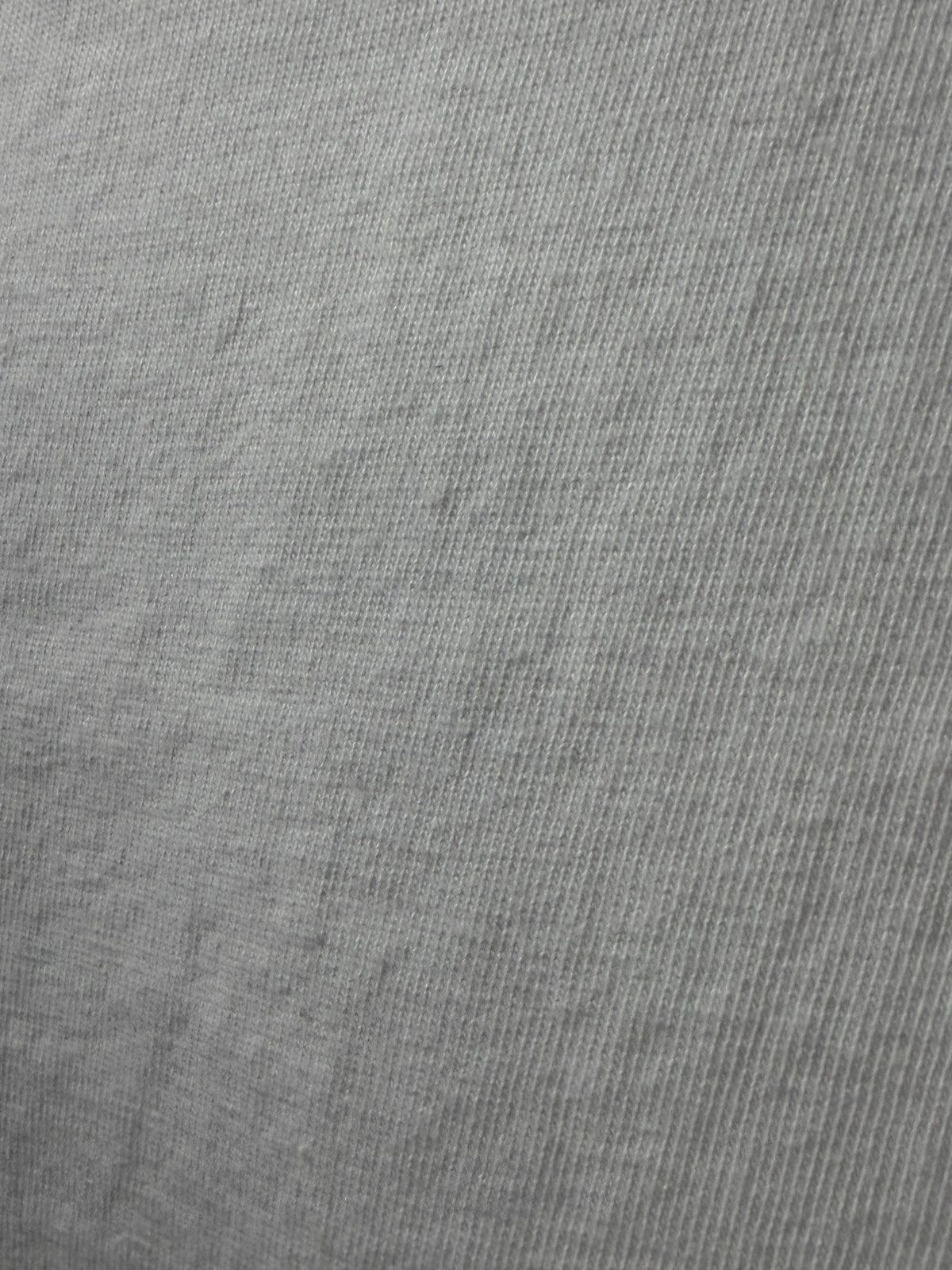
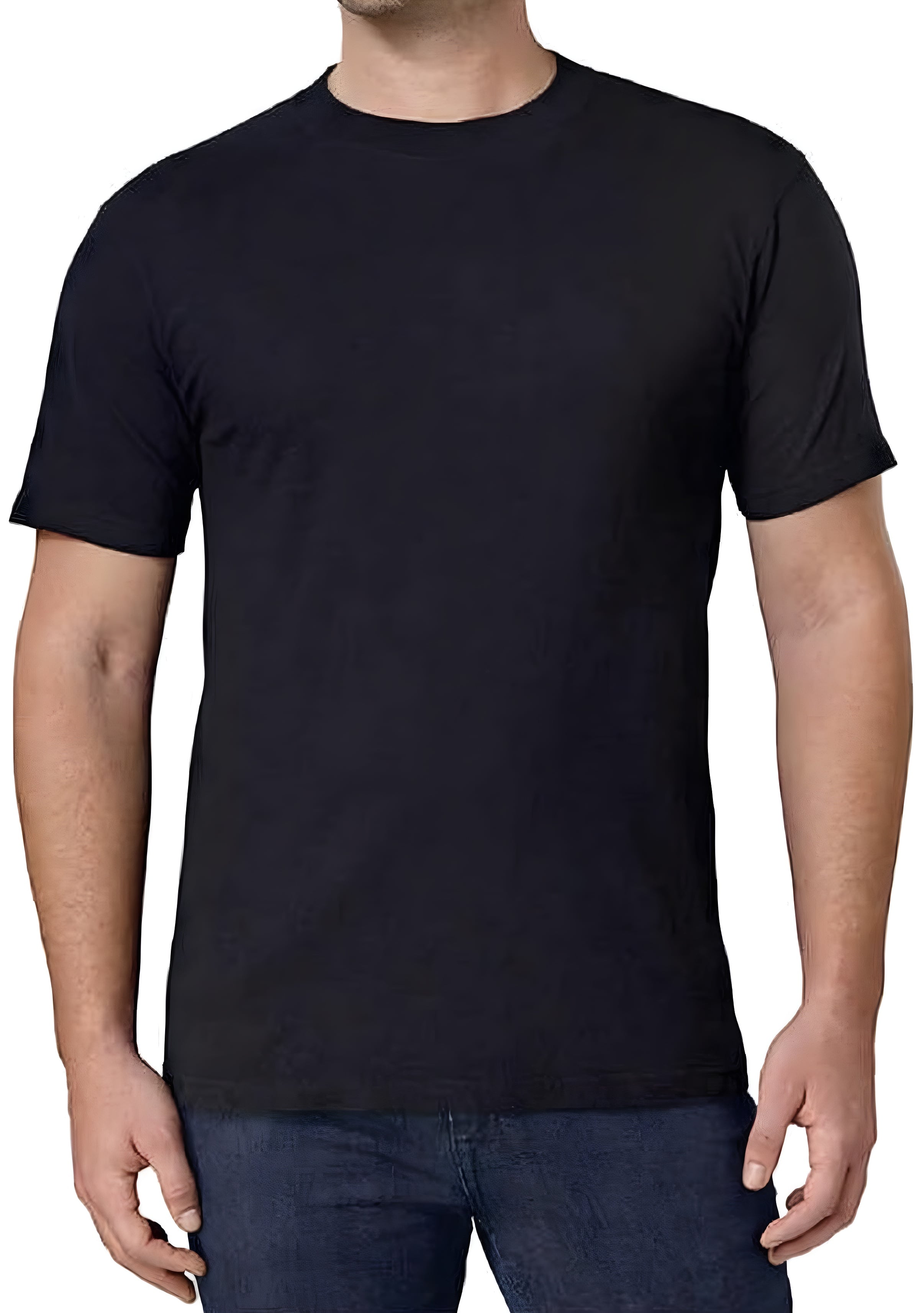
The fabric is straightforward, substantial, and completely uninterested in impressing anybody.
Softness is present, but only in the same way a pickup truck is technically a luxury vehicle because it has cupholders. Nobody is going to mistake this for Pima cotton. Nobody is going to write poetry about the hand feel.
What the fabric does provide is confidence. The cotton feels thick enough to survive real ownership, not the imaginary lifestyle found in most product photography. It feels ready for yard work, moving furniture, home projects, Costco runs, and every other activity clothing catalogs mysteriously ignore.
The weight creates structure, and that structure helps the shirt keep its shape. Instead of clinging or draping dramatically, the fabric sits confidently on the body. The shirt isn't elegant. It's dependable. Sometimes that's the more useful quality.
Construction & Details
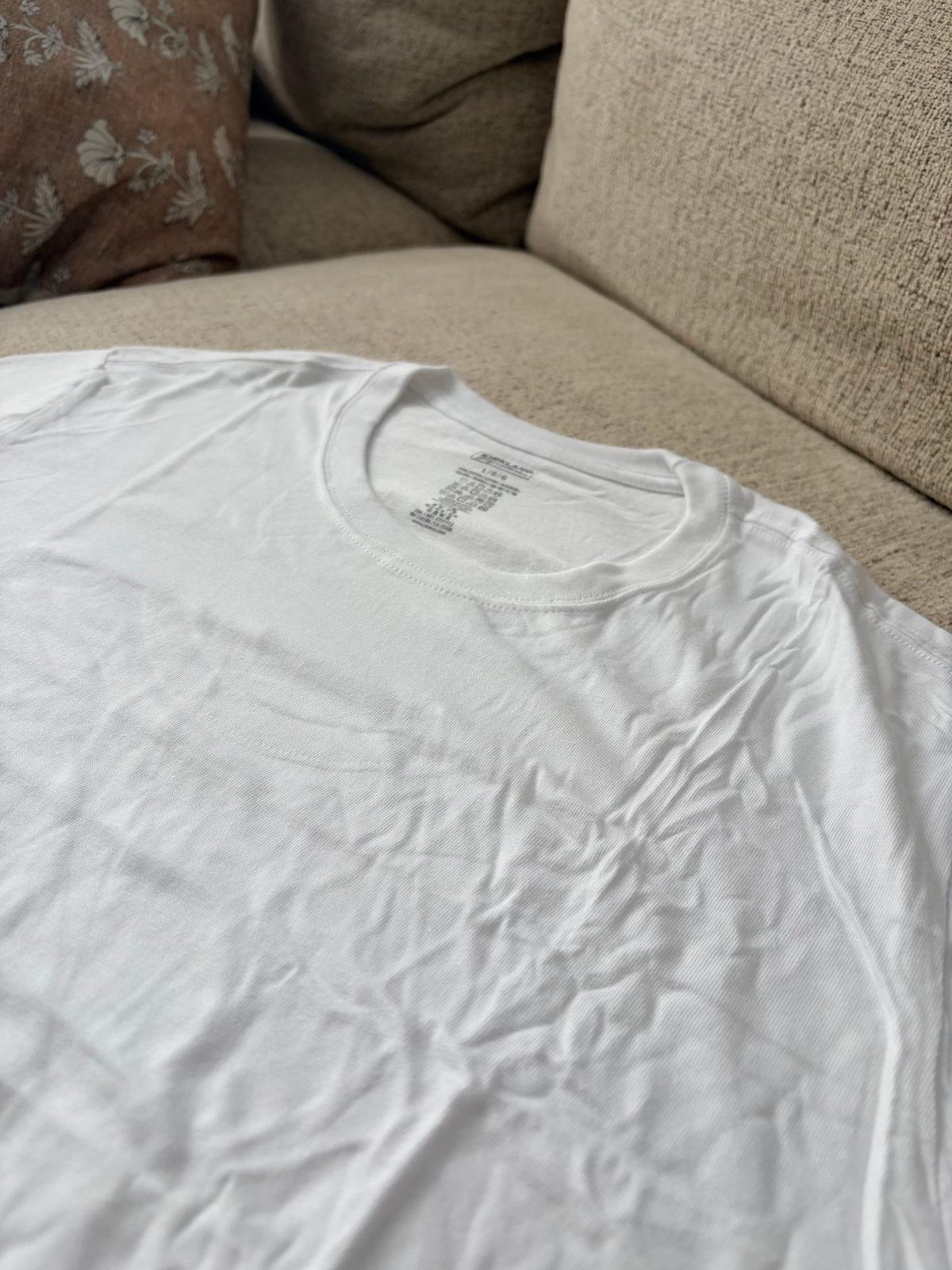
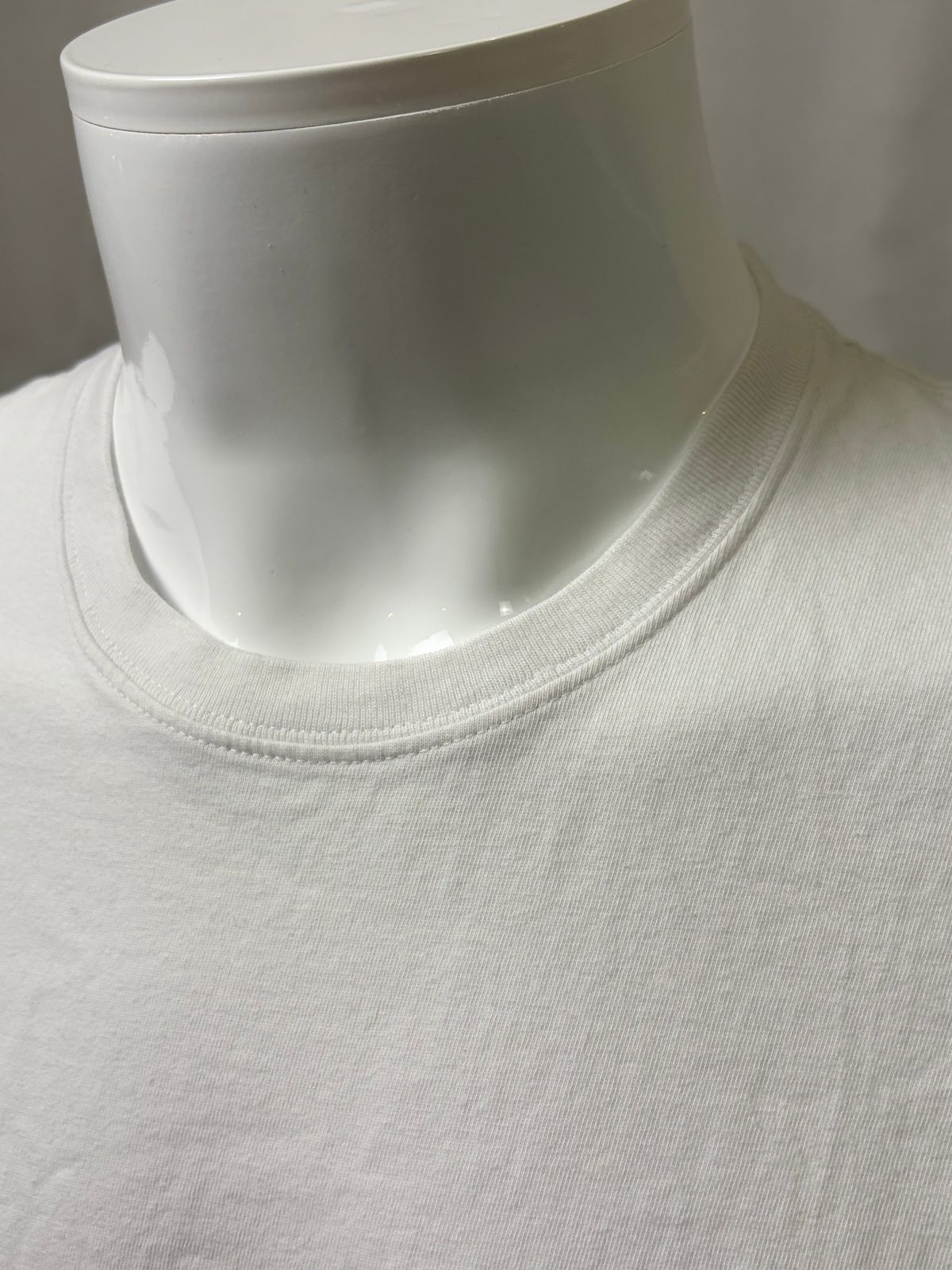
The collar is easily the most surprising part of the shirt.
Kirkland uses a thick double-stitched neckline that immediately feels more substantial than the price would suggest. It isn't refined or fashionable, but it feels like somebody genuinely expected it to survive repeated abuse and made decisions accordingly.
The rest of the construction follows that same philosophy. The stitching is strong, the seams are practical, and nothing appears designed primarily for marketing purposes. Every detail exists because it has a job.
There are no heritage stories, premium-fabric lectures, or artisan-manufacturing fairy tales attached to the shirt. The shirt behaves like Costco itself: everything is bigger than expected, nobody explains why, and somehow it usually works.
Fit & Silhouette
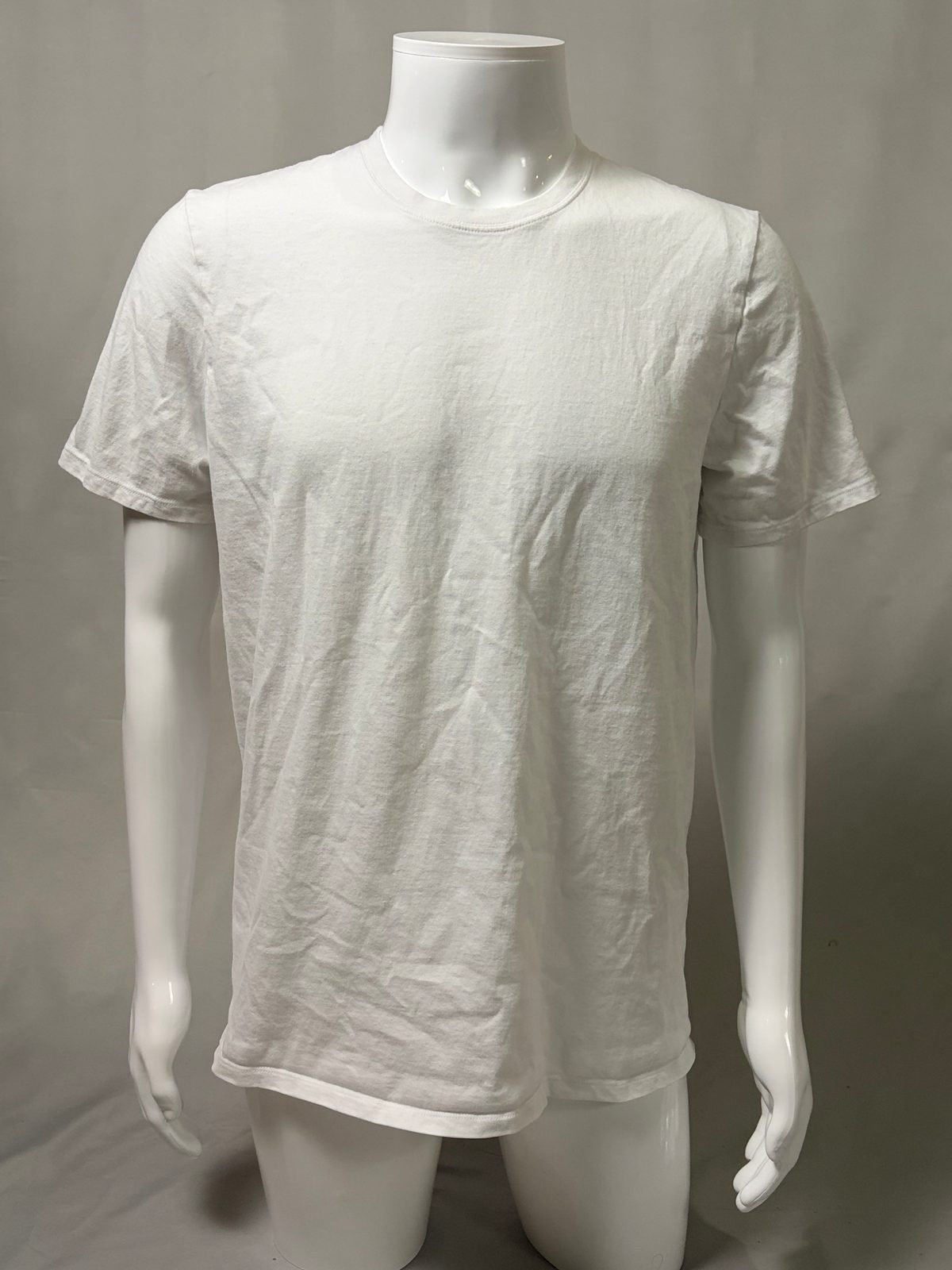
The fit is traditional, relaxed, and completely unconcerned with trends.
The shoulders run broad, the torso falls relatively straight, and the shirt leaves enough room for movement without becoming excessively oversized. There is very little taper, very little sculpting, and almost no effort spent creating the illusion that you've recently doubled your bench press.
That sounds negative until you actually put the shirt on.
The silhouette makes sense because the fabric supports it. The heavier cotton keeps the body looking structured rather than sloppy, and the relaxed proportions remain comfortable throughout the day. It isn't flattering in the way Cuts or WYR can be flattering, but it also isn't trying to become the most attractive shirt in the room.
The Kirkland simply wants to remain useful. It succeeds.